
Patterns That Replicate Natural Stone Accurately
Stamped & Decorative Concrete in San Jose for homeowners seeking custom outdoor surfaces with the appearance of premium materials and lower maintenance requirements
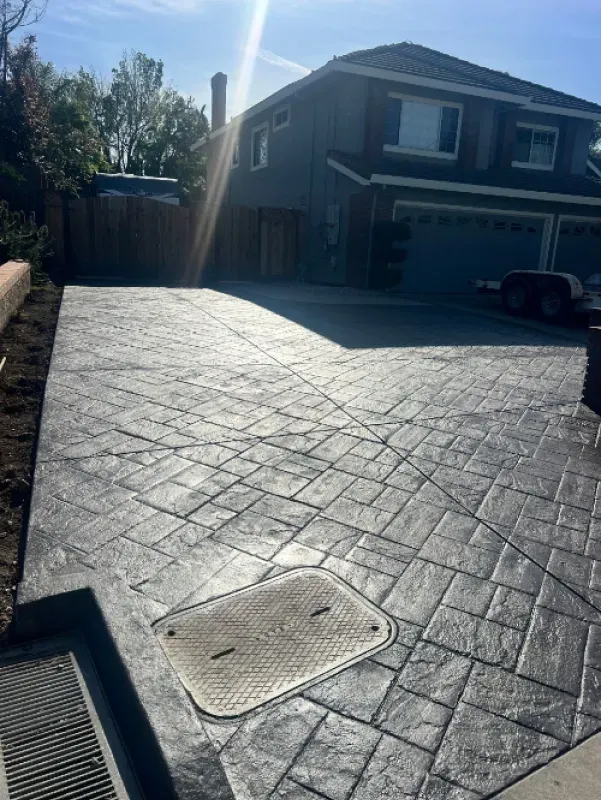
Stamped concrete replicates the appearance of natural stone, slate, brick, and tile through textured mats pressed into the surface while it remains workable. The process requires precise timing—stamps applied too early tear the surface, while delays cause patterns to appear shallow and indistinct. Curiel Concrete Construction creates decorative surfaces throughout San Jose that combine durability with custom colors and textures suited to patios, walkways, pool decks, driveways, and entryways. Each project uses color hardeners and release agents to produce varied tones that mimic the natural variation found in quarried stone or aged brick.
This service includes pattern selection, color customization, surface preparation, stamping, sealing, and ongoing maintenance guidance. Applications range from small entry walkways to large patio installations that integrate seating areas and outdoor living features.
Schedule a design consultation to review pattern options and discuss colors that complement your home's exterior and existing landscaping.
Stamped patterns are integrated into the concrete surface during finishing, not applied as a coating, so they don't peel or wear away with foot traffic. Color hardeners are broadcast onto the surface and troweled into the top layer, creating pigmentation that penetrates the concrete rather than sitting on top. Release agents prevent stamps from sticking while adding subtle color variation that replicates the natural inconsistencies found in real stone.
After installation, your outdoor space features continuous surfaces without the weed growth and ant hills that appear between traditional pavers, patterns that remain crisp without individual units shifting or settling unevenly, and colors that fade gradually over years rather than abruptly like surface stains. Sealed decorative concrete resists oil staining, moisture penetration, and UV degradation better than many natural materials, and maintenance involves periodic cleaning and resealing rather than releveling sunken pavers or replacing cracked tiles.
Pattern options include slate textures with natural cleft lines, ashlar stone layouts with irregular joint patterns, and running bond brick designs that replicate traditional masonry. Custom borders and accent bands separate different functional areas or highlight architectural features, and multiple color blends can be used within a single project to create visual depth.
What Homeowners Want to Know About Decorative Options
Choosing decorative concrete involves decisions about pattern scale, color intensity, and finish texture, so understanding how these elements work together helps you create surfaces that match your design vision.
What's the difference between stamped concrete and exposed aggregate?
Stamped concrete uses textured mats to imprint patterns onto the surface, creating the appearance of stone, brick, or tile. Exposed aggregate involves washing the surface layer to reveal the decorative rock embedded in the concrete mix, producing a textured finish with natural color variation from the stone itself rather than applied pigments.
How are custom colors created?
Base concrete is grey unless integral color is mixed throughout before pouring. Color hardeners are then broadcast onto the surface and troweled in, followed by release agents that add secondary tones and prevent stamps from sticking. The combination creates varied shades within each stamped section, replicating how natural stone displays color inconsistencies.
When does decorative concrete need resealing?
Initial sealing happens after the surface cures for 28 days, and resealing every two to three years maintains color vibrancy and surface protection. High-traffic areas or surfaces exposed to full sun may require more frequent resealing, while shaded patios with minimal use can extend the interval to four years.
How does pattern scale affect the final appearance?
Large patterns suit expansive patios and driveways where they read clearly from a distance, while smaller patterns work better for narrow walkways or compact entry areas. Pattern choice also depends on the stamped material being replicated—slate naturally forms large irregular pieces, while cobblestone appears as small individual units.
What makes decorative concrete suitable for San Jose's climate?
Sealed decorative surfaces resist the seasonal temperature swings common in the region without fading as quickly as some stained or painted finishes. Proper base preparation accounts for soil movement during wet and dry cycles, and control joints placed beneath pattern lines manage cracking predictably so it doesn't disrupt the decorative design.
Curiel Concrete Construction offers sample boards showing pattern and color combinations during the design phase, so you visualize how the finished surface will look before installation begins. Request a consultation to explore decorative options that add beauty and value to your outdoor spaces while maintaining long-term durability.