Foundations That Support Structural Loads Correctly
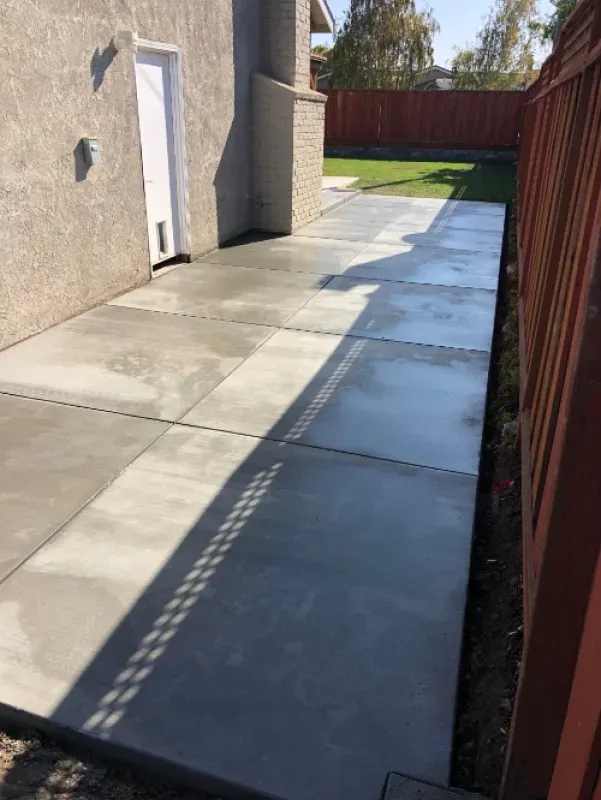
Concrete Installation & Flatwork in San Jose for residential and commercial properties requiring new slabs, utility pads, and structural surfaces
Proper grading and reinforcement determine whether a concrete slab remains level for decades or cracks within the first year. Site preparation begins with evaluating soil stability, removing organic material that compresses over time, and establishing drainage slopes that prevent water from pooling beneath the surface. Curiel Concrete Construction installs flatwork throughout San Jose using materials and techniques suited to the load requirements and soil conditions specific to your property, whether you need a driveway that handles vehicle weight or a utility pad that supports mechanical equipment.
This service covers slab installations, patio flatwork, driveway construction, sidewalk placement, and utility pads for HVAC units or storage structures. Each project includes excavation, base rock placement, reinforcement installation, and finishing techniques matched to the surface's intended use.
Request a site evaluation to assess soil conditions and discuss flatwork options that meet your structural and aesthetic requirements.
Base material is compacted in layers, not dumped and spread flat, which prevents settling that causes cracks along the edges where concrete meets soil. Forms are set to elevations that account for water flow away from buildings, and control joints are placed at calculated intervals based on slab dimensions to manage shrinkage predictably as concrete cures. Reinforcement—wire mesh for light-duty surfaces or rebar for structural slabs—is positioned at mid-depth so it controls cracking throughout the slab thickness rather than just at the surface.
You'll notice surfaces that remain flush with adjacent structures without developing height differences, edges that stay intact without crumbling as soil shifts beneath them, and joints that open slightly as designed rather than random cracks forming across the slab. Finishing determines surface texture, from smooth troweling for garage floors to broom finishes that provide traction on exterior walkways.
Curing time varies with weather conditions, but most flatwork reaches sufficient strength for light foot traffic within 48 hours and full load capacity within seven days. Premature loading causes surface damage and internal micro-cracking that shortens lifespan, so following recommended cure schedules protects your investment in durable construction.
Common Questions About Flatwork Projects
Understanding how flatwork is installed and what factors affect performance helps you make informed decisions about materials, timing, and project scope.
What does site preparation involve before concrete is placed?
Soil is excavated to depth, base rock is spread in lifts and compacted with mechanical equipment to achieve required density, and forms are built to contain the concrete at precise elevations. Compaction testing may be required for commercial projects or when building codes mandate verification of base stability.
How does reinforcement prevent cracking?
Steel reinforcement doesn't stop concrete from cracking—it controls where cracks occur and keeps them narrow enough that the slab remains structurally sound. Wire mesh works for residential flatwork subject to light loads, while rebar grids are necessary for driveways, commercial slabs, or surfaces supporting heavy equipment.
When should flatwork be sealed?
Sealing is optional for plain concrete but recommended for decorative finishes or high-traffic areas. Initial sealing happens after the surface has cured for at least 28 days, and resealing every two to three years maintains protection against moisture penetration, staining, and surface wear.
What causes concrete to crack even with proper installation?
Shrinkage during curing causes all concrete to crack slightly, which is why control joints are placed to direct those cracks along planned lines. Excessive cracking results from inadequate base preparation, insufficient reinforcement, or improper joint spacing—not from concrete quality alone.
How does San Jose's climate affect concrete curing?
Warm, dry conditions common in summer cause concrete to cure faster, which requires more frequent water application during the first few days to prevent surface cracking. Winter installations cure more slowly but are less prone to rapid moisture loss, and temperature extremes during the first 48 hours can weaken the surface layer if not managed with curing blankets or shading.
Curiel Concrete Construction provides material specifications and project timelines during the estimate process, so you understand what's included and when your flatwork will be ready for use. Schedule a free estimate to discuss your installation needs and review options that fit your property and budget.