
Surfaces Built to Handle Daily Family Use
Residential Concrete Services in San Jose for properties requiring durable driveways, patios, and walkways that improve safety and curb appeal
Curiel Concrete Construction installs residential concrete solutions across San Jose and surrounding areas, addressing cracked driveways, uneven walkways, and worn patios that create trip hazards and detract from property appearance. Every project is customized to match your vision and budget, with material selection and finish options tailored to how you use the space. Whether you need a driveway that handles daily vehicle traffic or a patio designed for outdoor entertaining, the installation process accounts for soil conditions, drainage requirements, and long-term performance expectations.
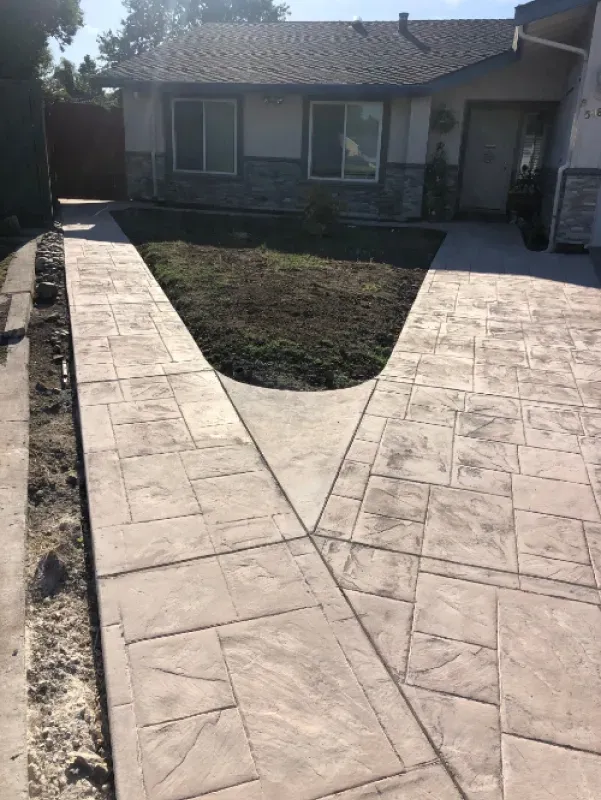
This service includes driveway installation, patio construction, sidewalk repair, decorative finishes, stamped patterns, flatwork, surface removal, and paver placement. Proper site preparation involves grading to prevent water pooling, compacting base material to minimize settling, and placing reinforcement to control cracking as concrete cures and expands with temperature changes.
Schedule a property evaluation to review your current concrete condition and discuss finish options that suit your home's style.
Site preparation determines how well your concrete performs over decades of use. Excavation removes unstable soil, base rock is compacted in lifts to create a solid foundation, and forms are set to precise elevations so water drains away from structures. Reinforcement placement—whether wire mesh or rebar—depends on the surface's intended load and soil movement patterns common in the area.
After installation, you'll notice surfaces that remain level without cracking at expansion joints, driveways that shed water toward drainage channels instead of pooling near garage entries, and walkways that connect smoothly without height differences that catch shoe edges. Curiel Concrete Construction applies finishes that match your architectural style, from smooth troweled surfaces to exposed aggregate textures that provide slip resistance in wet conditions.
Each project includes cleanup and haul-away of removed material, so job sites are left ready for landscaping or immediate use once curing completes. Decorative options such as stamped patterns or color additives are applied during finishing, not afterward, which integrates them into the surface structure rather than coating the top layer.
Questions Homeowners Ask Before Starting
Residential concrete projects vary in scope and complexity, so understanding what the work involves helps you plan timing, budget, and design choices that fit your property's needs.
What preparation happens before concrete is poured?
Existing surfaces are removed if damaged beyond repair, soil is excavated to required depth, base rock is spread and compacted to prevent settling, and forms are built to contain the concrete at precise elevations. Proper drainage grading is established during this phase to direct water away from structures.
How does stamped concrete differ from standard flatwork?
Stamped concrete uses textured mats pressed into the surface while it's still workable, creating patterns that replicate stone, brick, or tile. Color hardeners and release agents are applied before stamping to produce varied tones that mimic natural materials, and the process requires careful timing to achieve crisp pattern definition without surface tearing.
When should I replace concrete instead of repairing it?
Replacement makes sense when cracking covers more than 30 percent of the surface area, when sections have settled unevenly by more than an inch, or when the base material beneath has eroded and no longer provides stable support. Isolated cracks or small surface spalling can often be repaired without full removal.
What affects how long concrete lasts in San Jose's climate?
Soil stability and moisture management determine longevity more than concrete strength alone. Expansive clay soils common in the region shift with seasonal moisture changes, so proper base preparation and control joints allow movement without structural failure. Surfaces that drain well and avoid standing water last decades longer than those exposed to constant saturation.
How is decorative concrete maintained over time?
Sealing every two to three years protects color and pattern definition from UV fading and moisture penetration. Routine cleaning with water and mild detergent prevents staining, and resealing restores surface protection as the previous coat wears away from foot traffic and weather exposure.
Curiel Concrete Construction provides detailed project timelines and material specifications during the estimate process, so you understand what happens at each phase and when the surface will be ready for use. Request a free estimate to discuss your residential concrete needs and review finish options that complement your home's design.